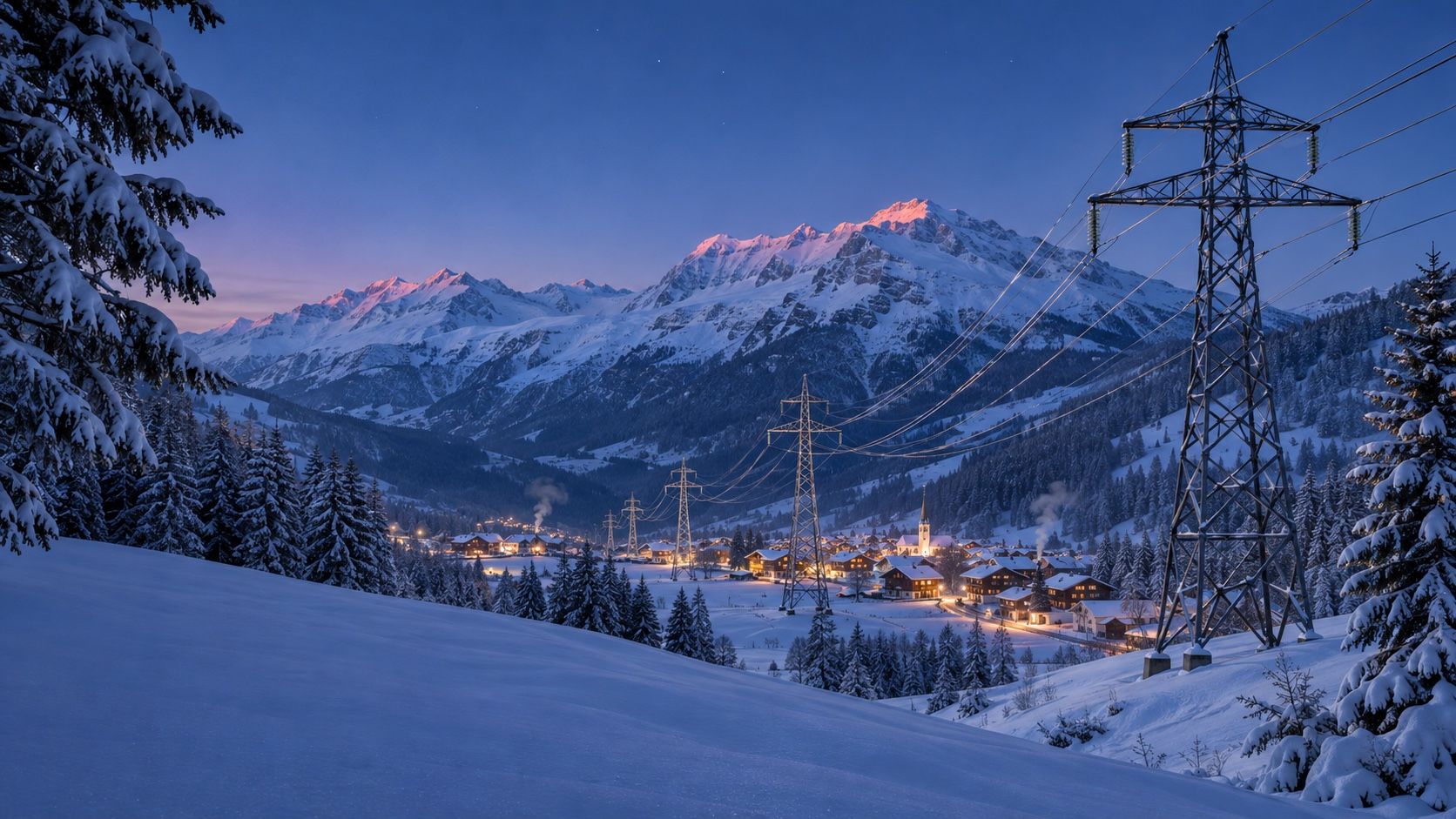
The winter of 2024/25
From October to March, Switzerland used 33.6 TWh of electricity, 54 percent of its annual consumption.1 This is how it was covered:
Winter 2024/25 in TWh. Storage lakes net, that is, minus the electricity used for pumping. Wind delivered 0.1 TWh.1
The nuclear plants deliver more than a third of winter electricity. Every winter in which one of them is offline shows how important they are: imports rise at once.
Negative values: in that winter, Switzerland exported more than it imported. The Energy Act sets a guideline of at most 5 TWh of imports per winter.116
What is missing without nuclear power
Beznau goes offline in 2032 and 2033. Gösgen and Leibstadt reach the age of 60 in 2039 and 2044.2 Take the nuclear plants out of today’s system, and around 12.2 TWh is missing in winter. By 2050, heat pumps and electric cars will add to demand. Studies put the gap in 2050 at 5 to 13 TWh, depending on how much is built by then:
| Study | Year | Winter imports |
|---|---|---|
| ElCom (Federal Electricity Commission), winter production capacity20 | 2035 | 0 to 13.2 TWh |
| Federal government, Energy Perspectives 2050+15 | 2050 | around 9 TWh |
| VSE and Empa, Energy Future 205022 | 2050 | 7 to 10 TWh |
| ETH and PSI, White Paper on Nuclear Energy21 | 2050 | 5.4 to 12.4 TWh |
| This model, expansion under the Electricity Act | 2050 | 5.5 TWh |
Our model is at the low end because it works with monthly values and uses the storage lakes perfectly. Cold, windless weeks of fog are not captured. More under Limits of the model.
The battery we already have
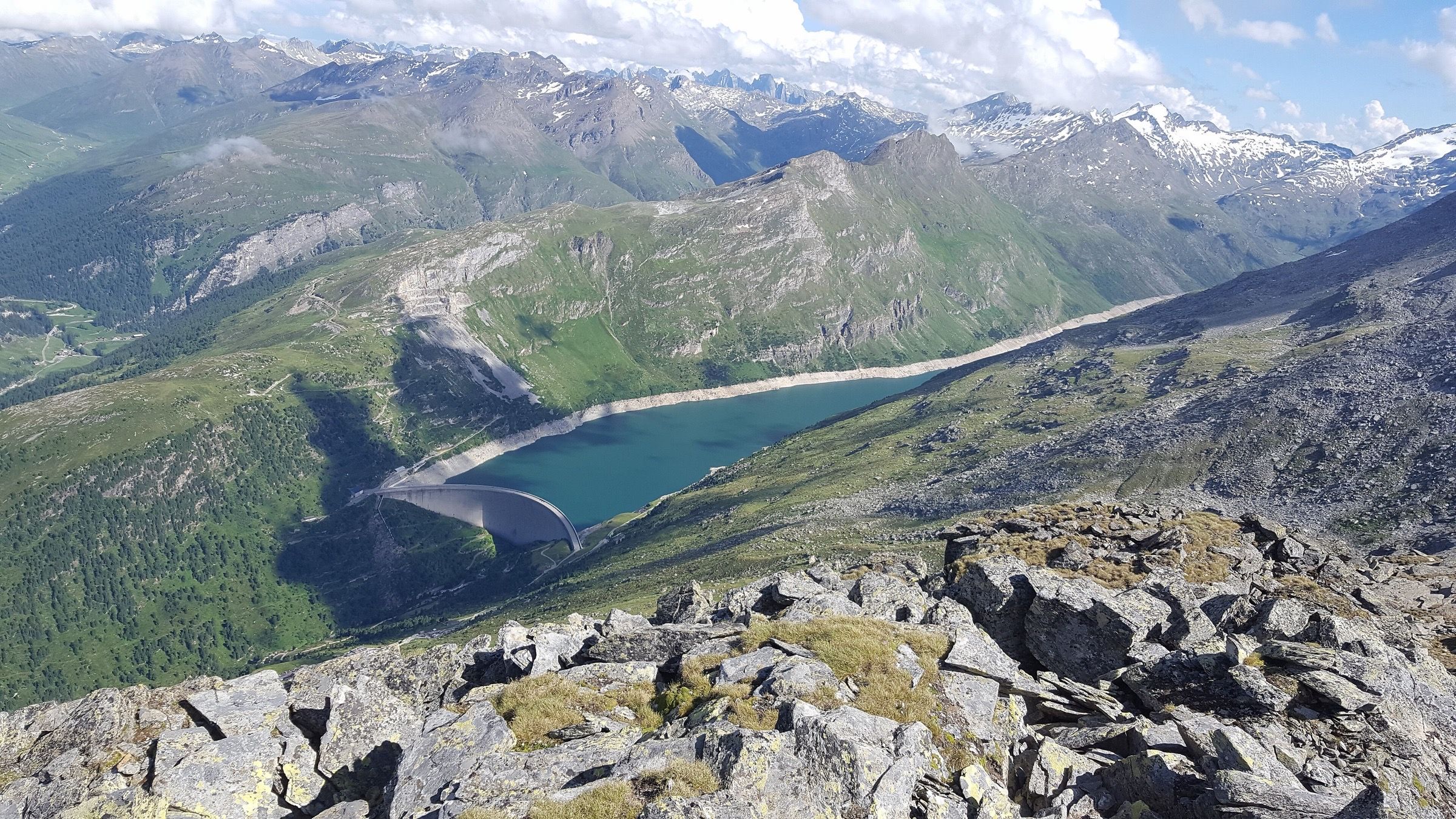
Switzerland’s storage lakes hold 8.9 TWh.2 They fill with meltwater in summer and empty in winter. The more solar power there is in summer, the more water the operators can hold back.
It pays off for them: electricity is worth more in winter. Since 2022, the federal government has even paid for part of the water to stay in the lakes until late winter. This is the hydropower reserve.36
However, the lakes are already almost full in autumn today. More solar power in summer therefore helps only so much. More winter power from water needs bigger lakes. The Hydropower Round Table wanted 2 TWh more storage by 2040; around 1.1 TWh is in sight.37
- This scenario
- Average 2016–2025
Highest level in the model: 92 %, lowest: 6 %. Capacity 10.0 TWh.
Average for 2016–2025 from the weekly figures of the Swiss Federal Office of Energy (SFOE).3 The model empties the lakes almost completely by February, because without nuclear power every kilowatt hour is needed.